How Antacids Work: A Simple Guide to Fast Heartburn Relief
What Are Antacids?
Antacids are over-the-counter medicines that help get rid of heartburn and upset stomach by neutralizing extra stomach acid. Heartburn is the occasional feeling of burning in your chest or throat and happens when stomach acid backs up. Antacids give quick comfort by neutralizing (weakening) the acid in your stomach, so it stops irritating you1. They’re commonly used for relief of heartburn, acid indigestion, sour stomach, and upset stomach associated with excess stomach acid. In other words, when you have a stomach ache or burning from too much acid, an antacid can help make it better. Antacids come in multiple forms such as chewable tablets, liquids, or panchews that you can buy without a prescription. They are meant for occasional symptoms (once in a while), not something you should need every day1.
How Antacids Work
Antacids work by neutralizing acid to provide relief of heartburn, acid indigestion, sour stomach, and upset stomach. Your stomach normally contains very strong acid (with a low pH) that helps digest food. When there’s too much acid, it can cause pain and burning (heartburn). Antacids are made of basic (alkaline) compounds, which are basically the opposite of acid.2 When you take an antacid, it goes into your stomach and starts to neutralize acid on contact. Think of it like a firefighter cooling down a fire – the antacid cools down the acid to make it gentle. By neutralizing excess stomach acid, antacids raise the pH in your stomach (make it less acidic) so it’s not as harsh4. This fast-acting relief gets rid of the burning feeling during heartburn. Antacids start to work fast once they are swallowed, so you often feel better quickly.
Types of Antacids and Their Ingredients
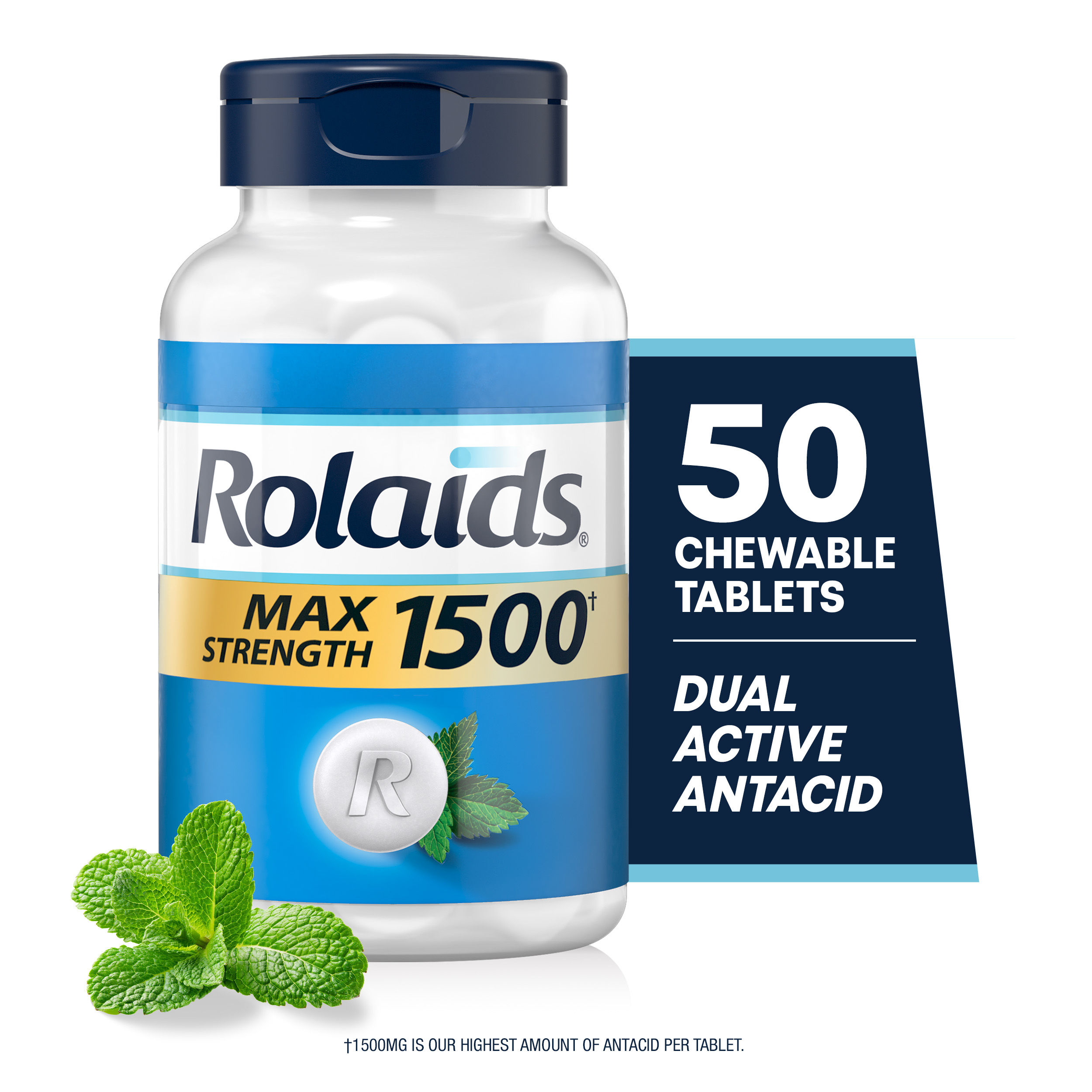
Not all antacids have the same active ingredients, though all work in the same way. Calcium-based antacids (like those with calcium carbonate) are very common – they work well and are often mint and fruit-flavored chewable tablets. Magnesium-based antacids (like magnesium hydroxide) are another type; sometimes known as “milk of magnesia,” these also act quickly. Additionally, there are aluminum-based antacids (with aluminum hydroxide). Sodium bicarbonate (baking soda) is another antacid ingredient that works fast, though it’s not used as much in OTC heartburn products. Some products even combine ingredients: for example, Rolaids uses a dual-active formula containing calcium carbonate + magnesium hydroxide in one chewable tablet. This dual-active formula harnesses the strengths of both ingredients – calcium carbonate and magnesium hydroxide to provide fast, powerful relief. No matter the type, all antacids do the same job of neutralizing acid. You can choose the form you like (chewable, liquid, etc.) or the ingredient that suits you best. For example, if one kind gives you a minor side effect, you can try another antacid ingredient.
How Fast/Long Do Antacids Work?
One big reason people love antacids is that they work very fast. If you wonder “how fast do antacids work,” the answer is usually within just a few minutes3! Antacids start to neutralize acid on contact, meaning relief can begin as soon as the medicine touches the acid in your stomach. So, antacids are great when you need fast heartburn relief right away. However, the relief doesn’t last very long. Antacids only work on the acid that is present, so typically you get a couple of hours of relief at most4. After that, your stomach might produce more acid (especially if you eat more), and the heartburn can come back. Antacids are like a short-term fix – they start working faster than other medicines, but they also wear off sooner. If your heartburn is mild and infrequent, Antacids are a good choice for relief. But if you need longer relief, you might consider other options (see next section).
Antacids vs Other Acid Relief Medications
Besides antacids, there are two other common types of medicines for heartburn: H2 blockers and proton pump inhibitors (PPIs).
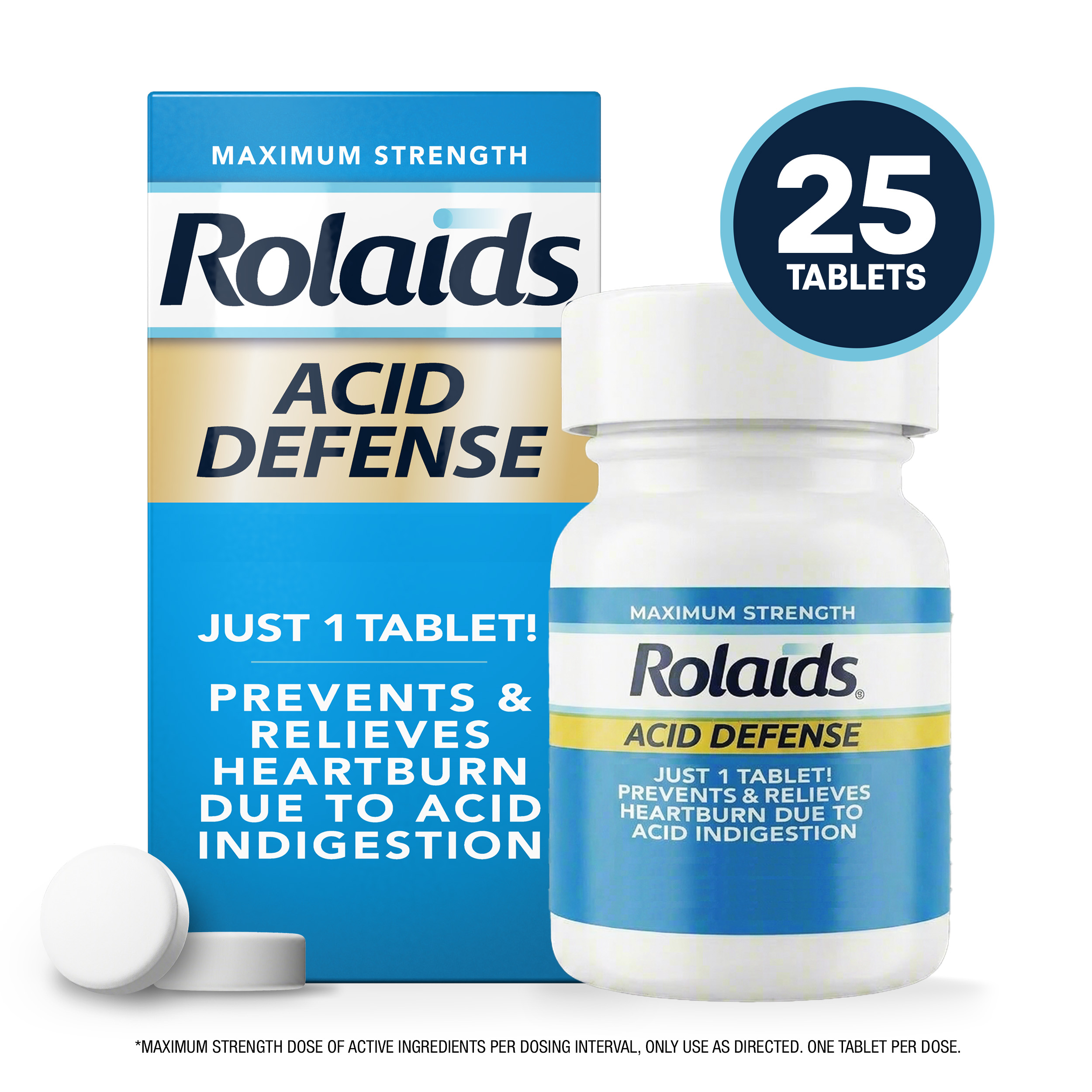
Antacids vs H2 blockers: Antacids act the quickest, while H2 blockers (like famotidine, Rolaids Acid Defense ) take longer to kick in. An H2 blocker works by reducing the amount of acid your stomach makes, which is different from antacids that neutralize existing acid. H2 blockers take longer to start to work (not as fast as antacids)4, but their relief lasts longer.
Antacids vs PPIs: Proton Pump Inhibitors (Prilosec OTC Omeprazole 20mg) are meant for frequent heartburn, heartburn that occurs at least two times per week. PPIs actually block acid production at the source. They are the slowest to start working, so they are supposed to be taken in morning, but PPIs last throughout the full day and can allow you to live life without the burn.
A quick guide: antacids = fastest relief (minutes) but short duration; H2 blockers = moderate speed (hour) and longer duration; PPIs = slower to start working (hours) but long-lasting control of acid. If you only get heartburn once in a while, an antacid is great. If you get it more often, a longer-acting medicine might be preferred. (Always ask a doctor which is best for you if you have frequent symptoms.)
When Should You Use Antacids?
You should use an antacid when you have occasional heartburn or acid indigestion and want quick relief. They are ideal for mild symptoms that happen once in a while (occasionally), such as after you eat a big meal or spicy food. The best time to take an antacid right when you start feeling heartburn2. That way it can neutralize the acid as it’s being produced. Antacids are not meant for everyday long-term use. If you find you’re using them most days of the week or for more than two weeks in a row, that’s a sign you should visit a doctor4. In short, use antacids for quick, on-the-go relief when heartburn strikes, but consider seeing a healthcare provider if you need them frequently and always follow the labeled directions for dosing.
Potential Side Effects and Considerations
Antacids are generally safe when taken according to the directions by healthy people. Still, always check with your health care provider when you have questions and here are a few things to keep in mind:
-
Common, mild side effects: Depending on the type of antacid, you might notice a little gas or belching (because some antacids release carbon dioxide when neutralizing acid), or changes in bowel habits.
-
Use as directed: Always follow the directions on the label for how many tablets or teaspoons you can take in a day. When used as recommended, antacids provide fast, reliable relief.
-
Medication interactions: Antacids can interfere with other medicines if taken at the same time, by preventing proper absorption. To avoid this, consult your doctor/pharmacist for guidance.
-
When to consult a doctor: If you have symptoms that don’t get better with antacids, or severe symptoms like trouble swallowing or frequent chest pain, see a doctor. Also, don’t use antacids for more than 2 weeks straight without medical advice4. A doctor can rule out more serious issues and advise if you need a different treatment. If you’re treating other chronic diseases check with your doctor to confirm what is right for you.
Antacids can be a real fast friend for heartburn and minor acid indigestion. They work quickly to make your stomach feel better by neutralizing excess stomach acid and giving fast heartburn relief. For tougher or more frequent heartburn, you might need a stronger medicine – but for everyday occasional heartburn, antacids are a trusty, quick fix. They offer fast, strong, reliable, relief from heartburn, and because many antacids come in pocket-friendly forms (like chewable tablets), they deliver relief that goes where you go – truly convenient on-the-go relief whenever you need it! Shop Rolaids for powerful relief!
References (MLA):
- MedlinePlus Medical Encyclopedia. “Taking Antacids.”MedlinePlus, U.S. National Library of Medicine, updated 30 Oct. 2024, medlineplus.gov/ency/patientinstructions/000198.htm.
- Cleveland Clinic. “Antacid (Over-the-Counter Medication).”Cleveland Clinic Health Library, last reviewed 20 May 2022, my.clevelandclinic.org/health/drugs/23076-antacid.
- https://www.theportlandclinic.com/what-should-i-take-for-heartburn/
- Bailey, Leisa, MD. “Antacids and Acid Reducers: OTC Relief for Heartburn and Acid Reflux.”FamilyDoctor.org (American Academy of Family Physicians), 21 Oct. 2025, familydoctor.org/antacids-and-acid-reducers-otc-relief-for-heartburn-and-acid-reflux/


explore other products